Trying to choose between a classic DC rowhouse and a condo? You’re not alone. Each option comes with different costs, responsibilities, and lifestyle perks, and the right fit depends on how you want to live day to day in the District. In this guide, you’ll learn how these property types compare in DC on cost, care, rules, outdoor space, parking, and renovation so you can decide with confidence. Let’s dive in.
DC definitions: rowhouse vs. condo
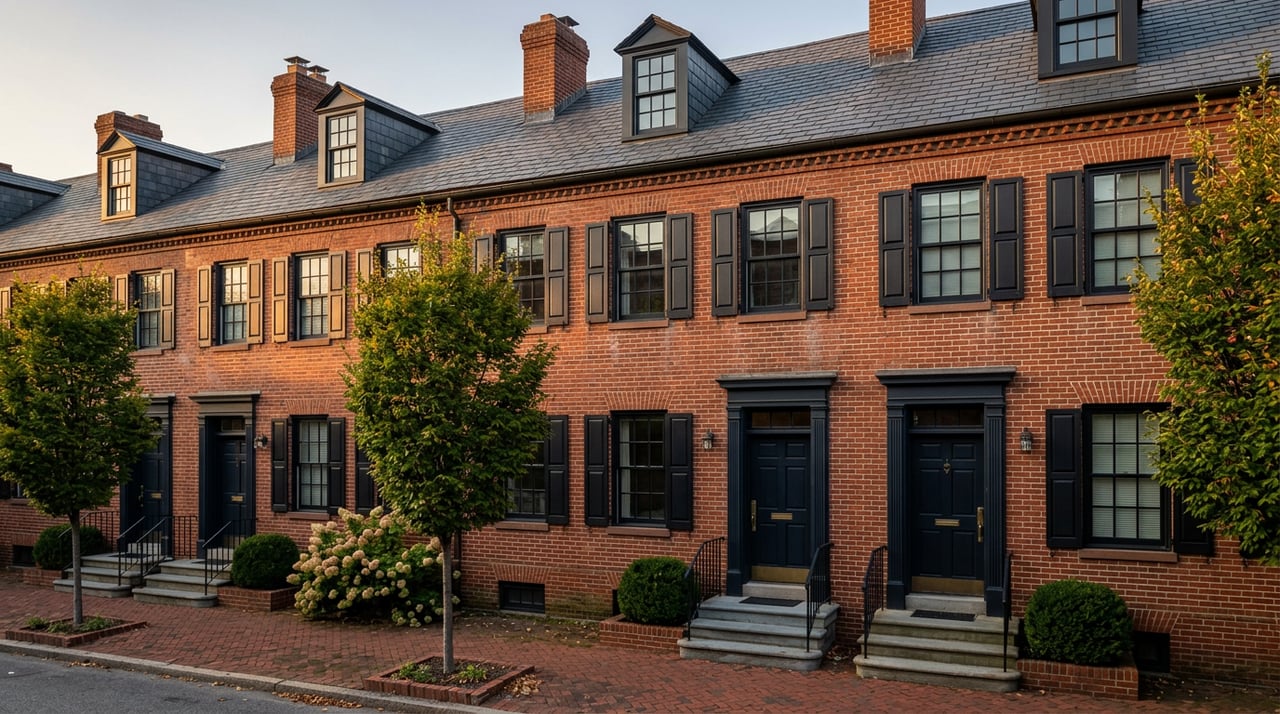
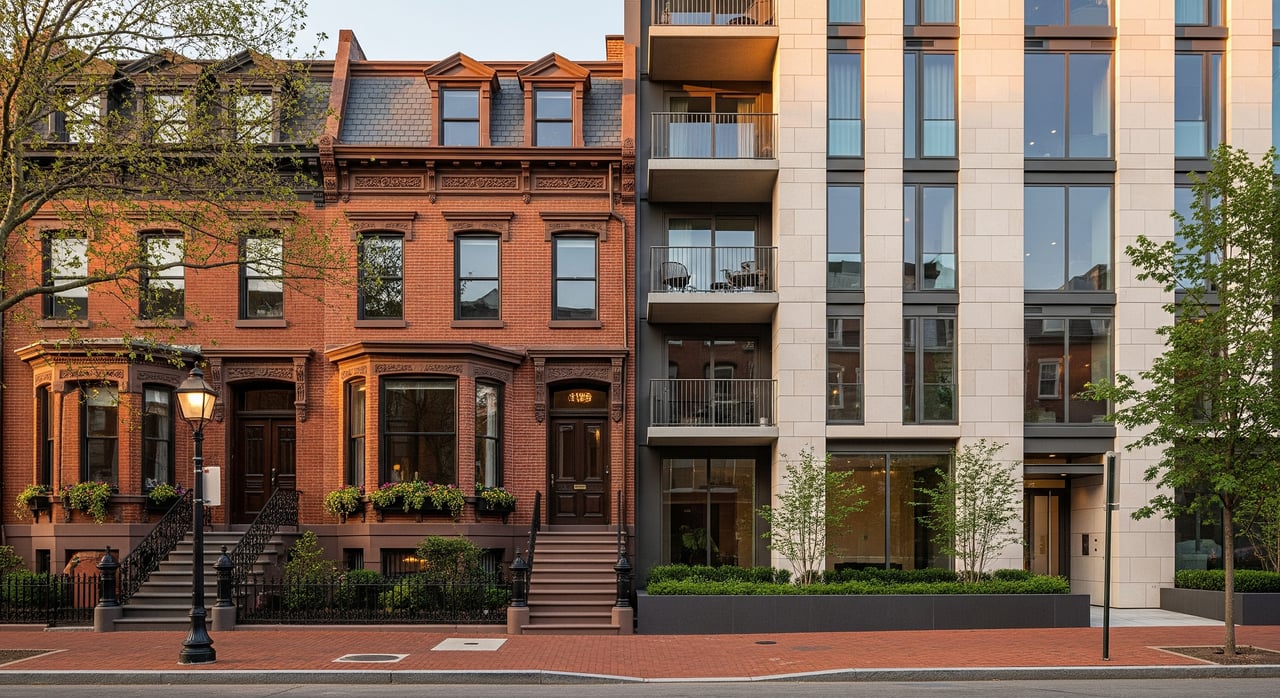
A DC rowhouse is typically an attached single-family home on its own lot. Many are historic brick buildings from the late 19th and early 20th centuries, especially in neighborhoods like Capitol Hill, Georgetown, Shaw, and Logan Circle. You own the land and structure, which means you control more and also take on more responsibility.
A condo is ownership of an individual unit within a multi-unit building or a converted rowhouse. You own the interior of your unit and share ownership of common elements with other owners through an association. The association manages common areas, sets rules, and collects monthly dues to fund operations and reserves.
Why it matters in DC: local rules, historic districts, small lots, alleys, and parking zones all shape the experience of owning and maintaining property here. Your choice affects what you can change, what you must maintain, and how predictable your costs feel.
Upfront price and ongoing costs
Rowhouses often command higher prices than similar-location condos because of land ownership and single-family use. That said, there is wide variation by neighborhood and by condition. Both property types pay DC real property tax based on assessed value. If you occupy the home as your primary residence, you may be eligible for homestead tax relief. Always confirm current guidance with the DC Office of Tax and Revenue.
When you map out your monthly budget, include mortgage, utilities, insurance, and property taxes. Then add either condo association dues or estimated maintenance for a rowhouse.
Condo dues and what they cover
Condo dues fund building insurance on common areas, common-area maintenance, landscaping, elevators, security, amenities, and sometimes utilities like water, trash, or heat. Dues vary based on building size, amenities, and reserve funding. Larger buildings with elevators and amenities usually have higher dues, while smaller or older conversions may have lower dues but different maintenance needs.
Rowhouse costs you carry directly
Rowhouses typically do not have monthly HOA dues unless part of a small HOA. You pay directly for exterior, structural, yard, and systems maintenance. In DC, property owners are usually responsible for maintaining sidewalks adjacent to the property, including snow clearance. Budget for seasonal maintenance, routine servicing, and periodic capital projects like roof work, HVAC replacements, and masonry.
Insurance differences
Condo owners usually carry an HO-6 policy that covers interior finishes, personal property, and liability. The association’s master policy covers common elements. The master policy can be all-in or bare-walls, which affects what you need to insure inside your unit. Rowhouse owners carry a full homeowner policy that covers the structure, contents, and liability.
Reserves and special assessments
With condos, always review the association’s reserve fund, recent reserve studies, and history of special assessments. Low reserves or deferred maintenance increase the risk of future assessments. With a rowhouse, there is no association buffer. You fund capital repairs yourself and should plan for the big items.
Financing and lending
Condos can face stricter lender underwriting. Some mortgage programs require project approval. Associations with high rental percentages, ongoing litigation, or weak finances can limit your financing options. Rowhouses are generally financed like other single-family homes. Check with your lender early about building and program eligibility.
Maintenance and repair responsibilities
Owning a rowhouse means full responsibility for the exterior and structure. That includes the roof, foundation, exterior walls, windows and doors, yard and landscaping, sidewalk maintenance, and all major systems. You will schedule and manage contractors as needed.
Owning a condo means you primarily maintain the interior of your unit. The association handles common elements like the roof, exterior, building systems, lobbies, elevators, and exterior-facing windows as defined by the condo documents. Always confirm the exact division of responsibility in the declaration and bylaws.
Common DC rowhouse issues
- Masonry and chimney work. Older brick buildings often need repointing over time.
- Foundations and basements. Water infiltration and aging drainage are common considerations. Sump pumps and grading may be part of the solution.
- Party walls. Attached homes share structural elements, which can involve party wall agreements or easements.
- Historic materials. In historic districts, exterior repairs and materials may be constrained by preservation requirements.
Condo-specific checks
- Master policy type. Whether the building is all-in or bare-walls affects what interior finishes the association replaces after damage.
- Building systems. Centralized HVAC, hot water, or facade maintenance can create building-wide expenses.
- Reserve study and capital work. Recent roof, facade, or mechanical upgrades can explain current dues or assessments and indicate future needs.
Typical projects to plan for
- Roof replacement or repairs
- HVAC replacement or major service
- Masonry repointing and exterior repainting
- Sewer line maintenance or replacement
- Elevator replacement and major system upgrades in condo buildings
Renovation potential and constraints
Rowhouses often allow more flexibility for interior reconfiguration, vertical expansions, or rear additions. In DC, most structural, mechanical, electrical, and plumbing changes require permits. In historic districts, exterior changes visible from the street generally need review by the Historic Preservation Office or Historic Preservation Review Board. Zoning can also come into play for lot coverage, rear yard depth, and roof height.
Condo renovations are usually limited to interior changes that do not affect common elements. Boards typically require approval for anything that touches structural components, plumbing stacks, exterior windows, or building systems. You may need to use association-approved contractors, provide additional insurance, and follow rules for working hours and noise.
If you want a roof deck, rear addition, or major exterior alteration, a rowhouse usually offers more control but also more permitting and design work. For a lighter interior refresh with simpler approvals, a condo often provides an easier path.
Outdoor space and parking
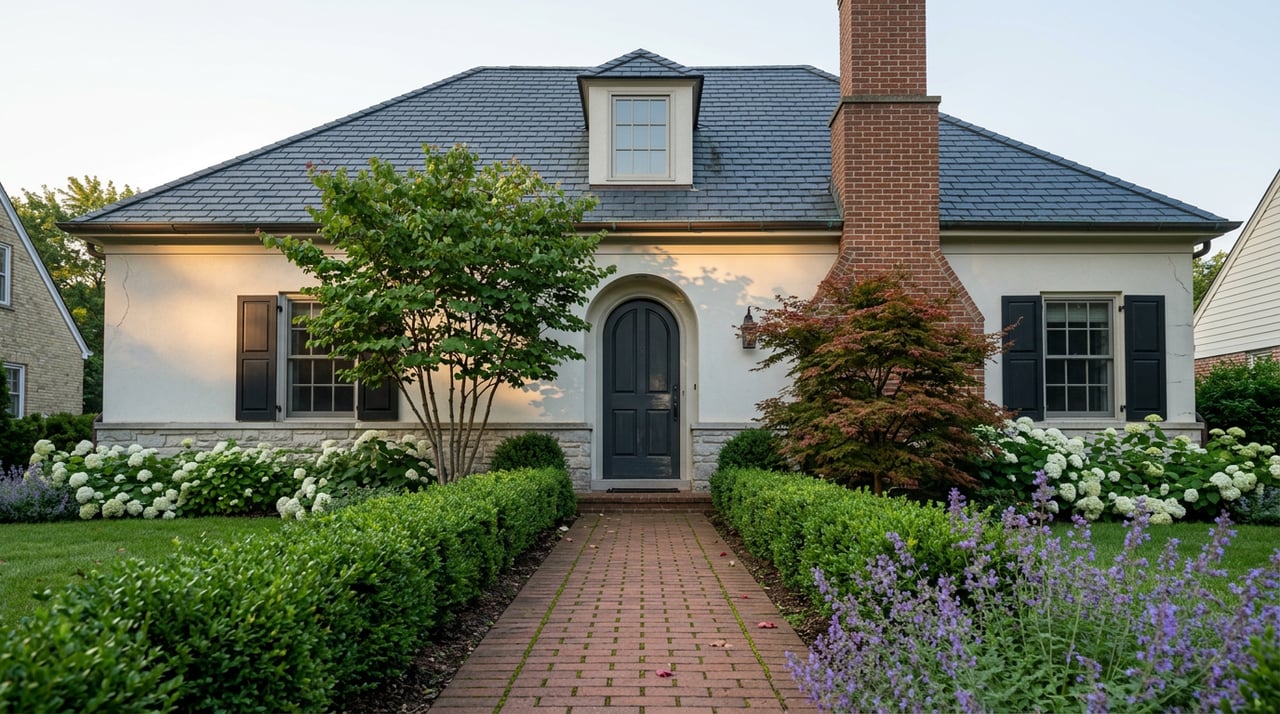
Rowhouses may include a front stoop, small front yard, private rear yard, or alley area. Some have roof deck potential. The size varies widely by neighborhood and lot. This private outdoor space is a lifestyle asset for gardening, pets, or play, but it adds upkeep.
Condos may offer private balconies or terraces. Ground-level yards are less common except in garden-style conversions. Many buildings feature shared courtyards, rooftop decks, or landscaped common areas, which reduce your personal maintenance and still provide outdoor access.
Parking differs by property type and neighborhood. Rowhouses may have rear alley or garage parking, but many do not. Condos may include assigned spaces or offer them for an additional fee. For street parking, DC uses Residential Parking Permit zones, and availability varies by block. When moving, you may need permits for temporary loading zones or sidewalk use. If an alley serves your property, confirm ownership and easement rights for access and utilities.
Rules, governance, and due diligence
Condo living includes a framework of community rules and governance. As part of your review, request and evaluate the declaration, bylaws, rules and regulations, current budget, audited financials, reserve study, board meeting minutes, master insurance certificate, and any notices about pending special assessments. Review rental and occupancy policies, pet rules, and whether the building has pending litigation.
Red flags include low or zero reserves, frequent special assessments, large unpaid owner balances, deferred capital projects, high board or management turnover, and unresolved disputes in minutes. These can signal future cost or quality-of-life issues.
Rowhouse buyers should focus on the property’s physical condition and legal history. Review the full inspection report and permit history for renovations. Confirm documentation for major repairs and upgrades. Check for party wall agreements, easements, alley access, and any tax or judgment liens. If the property is in a historic district, review prior approvals for exterior changes.
If you plan to rent your home, note that DC regulates short-term rentals and requires registration for many hosts. Condo documents may also restrict short-term rentals or cap the percentage of units that can be rented. Verify both local rules and association policies before relying on rental income.
Neighborhood governance matters too. Advisory Neighborhood Commissions can influence zoning cases and neighborhood projects. If you are considering additions or exterior changes to a rowhouse, learn your ANC’s typical posture and neighborhood precedents early.
Which one fits your lifestyle
Choosing between a rowhouse and a condo is about aligning your day-to-day preferences with the property’s obligations.
- Choose a condo if you want lower exterior responsibility, predictable shared services, and a more lock-and-leave lifestyle. Expect to trade some control for the convenience of association management and community rules.
- Choose a rowhouse if you value private outdoor space, more freedom to renovate, and full control over the property. Expect to plan, budget, and manage maintenance projects yourself, and factor in historic or zoning constraints when applicable.
How to decide with confidence
Use this step-by-step approach to narrow your choice:
- Clarify lifestyle needs. Rank outdoor space, parking, commute, and renovation appetite.
- Confirm financing early. Ask your lender about condo project requirements or any limits that apply to your target buildings. For rowhouses, review property condition factors that may affect appraisal.
- Tour both property types. Note noise, natural light, outdoor access, and elevator or stair reliance.
- Compare monthly and long-term costs. Stack condo dues plus utilities against likely rowhouse maintenance and capital projects over 5 to 10 years.
- Review documents and inspections. For condos, read financials, minutes, and reserve studies. For rowhouses, analyze inspection reports, permit history, and title items like easements and party walls.
- Check historic status and permitting paths. If you anticipate additions or a roof deck, map the permit and review process before you buy.
- Get contractor estimates. Price likely near-term items like roof work, HVAC, or masonry so you can budget realistically.
When you are ready to compare specific homes, a calm, data-forward process makes the decision much easier. A local advisor can coordinate inspections, review condo documents, and help you weigh tradeoffs by neighborhood and building.
If you want help narrowing your search and negotiating the best terms, reach out to Brittanie DeChino. You will get concierge guidance, local insight across DC and nearby Virginia and Maryland, and a clear plan to move forward with confidence.
FAQs
What’s the main cost difference between DC rowhouses and condos?
- Condos add monthly dues for common services and reserves, while rowhouses skip dues but require you to fund exterior and structural maintenance directly.
How do DC condo special assessments affect me as a buyer?
- Special assessments increase owner costs for capital projects. Review reserve studies, financials, and minutes to gauge risk before you buy.
Who fixes a roof leak in a condo vs. a rowhouse?
- In a rowhouse, the owner handles the roof. In a condo, the association typically handles roof repairs as a common element, but confirm the governing documents.
Can I add a roof deck in DC, and which property type is easier?
- Rowhouses often allow roof decks with proper permits and, if applicable, historic review. Condo roof decks require board approval and may be limited to common areas.
How does parking typically differ for DC rowhouses and condos?
- Rowhouses may have alley or garage parking but many rely on street permits. Condos may include assigned spaces or offer them for a fee, depending on the building.
What DC rules should I know before renovating?
- Most structural, mechanical, electrical, and plumbing work needs permits. Exterior changes in historic districts require preservation review, and some additions need zoning review.
Can I use my DC home for short-term rentals?
- DC regulates short-term rentals and requires registration for many hosts, and condo documents may restrict them further. Verify both before making plans.