Buying your first home in Fairfax County can feel like a big leap, but townhomes often make the path smoother. Prices across the county are high and inventory stays tight, so it helps to focus on a home type that balances space, convenience, and cost. In this guide, you will learn how Fairfax townhomes fit into the market, what to look for in HOA documents, how transit shapes pricing, and which first-time buyer programs can help your budget. Let’s dive in.
Fairfax County market snapshot
Fairfax County remains a high-price, low-inventory market, with the 2024 median sold price near 730,000 according to local MLS-based reporting. Recent coverage notes price resilience heading into 2025. For many buyers, townhomes sit in the middle of the price ladder, usually more than many condos and less than many detached homes in the same area. Regional forecasts also highlight steady demand for townhomes because they offer a tradeoff of space and lower exterior upkeep.
Prices vary by neighborhood and transit access. Close-in and transit-oriented areas tend to command higher prices and move faster. More suburban pockets often offer entry-level choices, especially if you are flexible on commute time and finishes.
What you get in a Fairfax townhome
Typical layouts and features
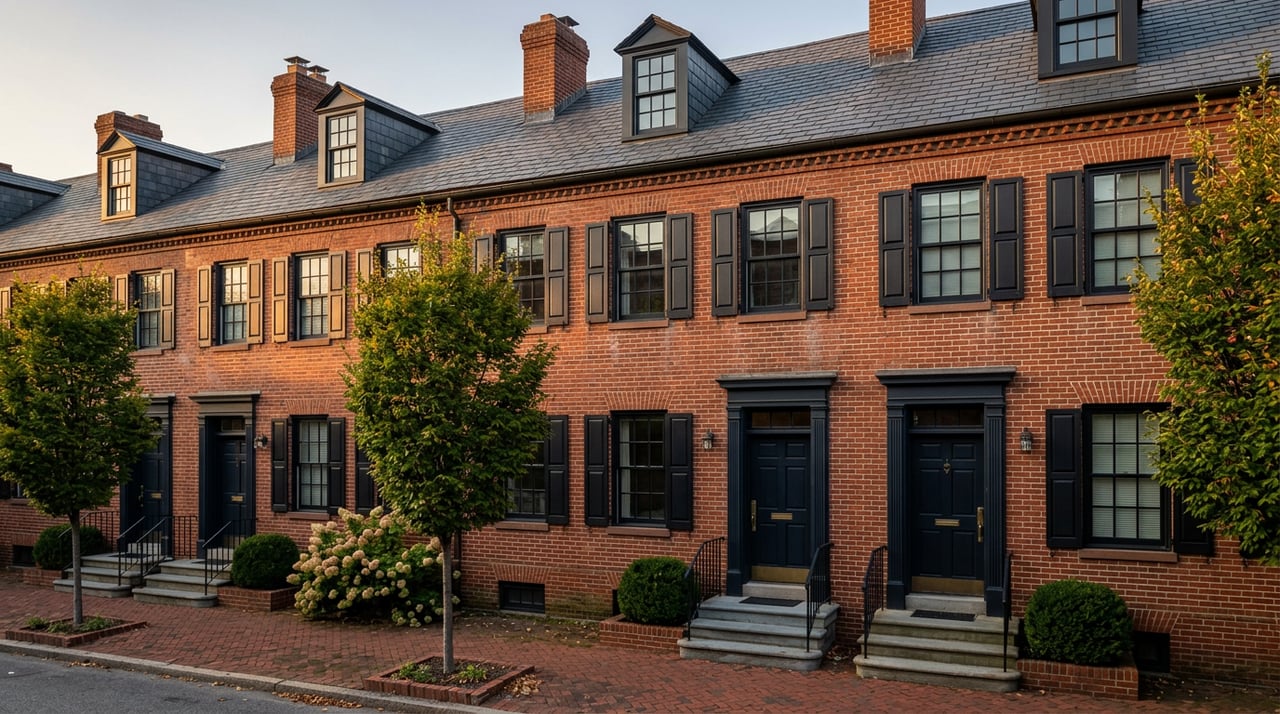
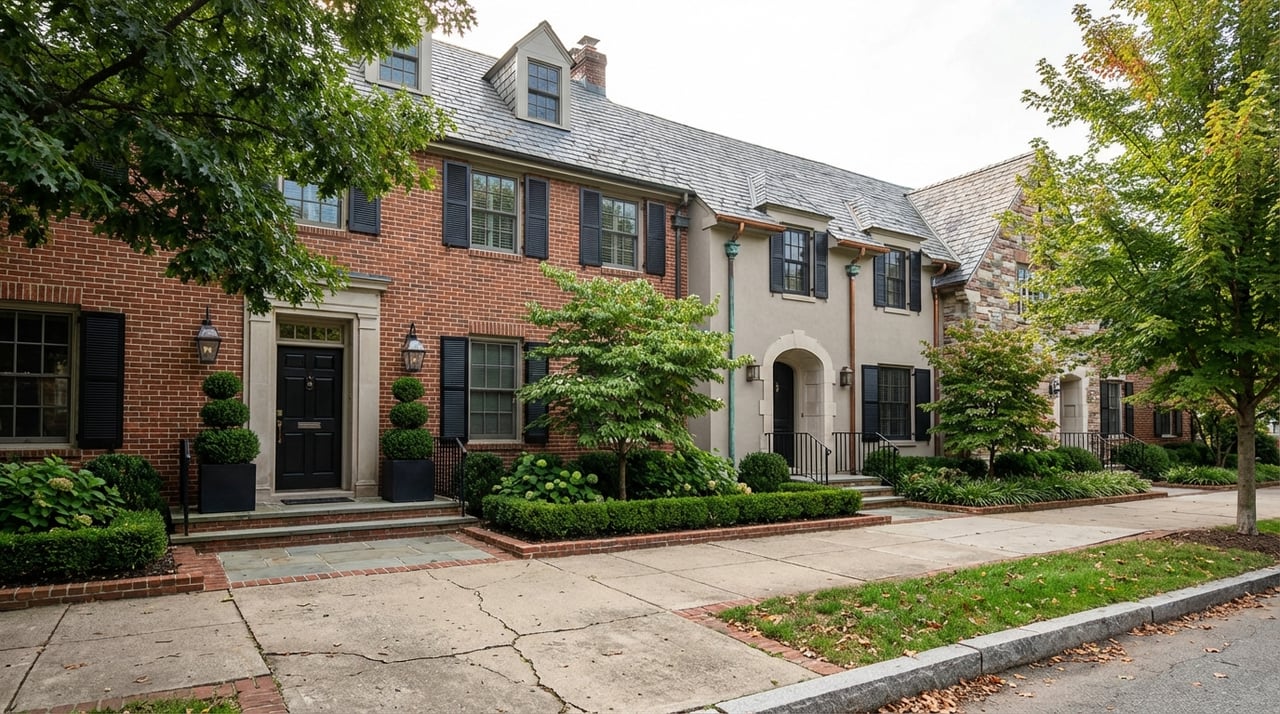
Most Fairfax townhomes are multilevel with shared walls. Many are 2 to 4 stories, with main living areas on a middle floor, bedrooms above, and a lower level that may include a garage or family room. Outdoor space often means a deck or a small fenced yard. For a plain-language overview of townhome layouts, see this townhouse explainer.
Legal structure matters
“Townhouse” describes the building style, not the legal ownership. A townhome can be part of a condominium, a planned unit development, or fee-simple with an HOA. That legal form impacts what the HOA covers, how lenders treat the property, and whether certain loans are available. For example, FHA and VA loans often require project approval when the property is legally a condo. You can verify how FHA handles condos and approvals on HUD’s site. If the townhome is fee-simple or a PUD, lenders often treat it more like a detached home for underwriting.
HOA costs, documents, and insurance
What dues usually cover
HOA responsibilities vary by community but often include exterior maintenance, landscaping for common areas, snow and trash services, and upkeep of amenities like playgrounds or pools. The only way to know for sure is to review the governing documents and the resale or estoppel packet. Learn what is typically included in a resale packet from this association resource.
How much are HOA fees
Dues are a real line item in your monthly budget. Many Fairfax townhome communities commonly show dues in the low triple digits, with amenity-rich communities higher. National research has shown HOA fees have been rising in recent years, so be sure to include them when you compare homes. For context on recent trends, see this HOA fee overview.
Master policy vs your policy
Association master insurance can be bare-walls, walls-in, or all-in. That determines whether your personal policy needs to cover interior finishes and upgrades or mainly your contents and liability. Ask your insurance agent to match coverage to the HOA’s master policy so you do not have gaps.
The must-review packet
When you go under contract, request the full resale packet right away. Key items to review include CC&Rs, bylaws, current budget, reserve study, year-end financials, insurance declarations, recent board meeting minutes, and the resale or estoppel certificate that discloses arrears and assessments. Confirm parking rules, pet policies, and any restrictions on rentals. If you plan to use FHA or VA financing and the property is a condo, verify project approval early.
Commute and neighborhood fit
Close-in, transit-oriented options
Townhomes near Orange and Silver Line stations, such as Vienna/Fairfax–GMU and Dunn Loring–Merrifield, often carry higher prices due to convenience and walkability. Station pages like Dunn Loring help you evaluate parking, nearby amenities, and rider tips. You will likely trade a larger yard for a faster Metro ride.
Corridor suburbs with rail choices
If you prefer a rail commute but want broader pricing options, look near Virginia Railway Express stations such as Burke Centre, Rolling Road, Lorton, Franconia–Springfield, and Backlick Road. Fairfax County’s transportation page outlines rail options and connections. These areas can appeal if you want predictable rail schedules and park-and-ride access.
Farther-out value plays
More suburban pockets like parts of Springfield, Burke, Lorton, and Centreville often have entry-level townhome choices. Your typical drive corridors include I-66, I-495, I-95, and the Dulles Toll Road. Buyers here tend to trade a longer commute for a lower price per square foot.
Financing your first Fairfax townhome
Townhome vs condo loans
Financing is often straightforward when the townhome is fee-simple or part of a PUD, since lenders may treat it like a single-family home. If the property is a condominium, project approval can be required for FHA or VA loans, and some conventional programs also review the project. To understand FHA condo requirements and approval steps, check HUD’s guidance. Verify the legal structure and any needed approvals before you write an offer.
Local down payment help
First-time buyers should explore Fairfax County’s Affordable Homeownership resources, including Affordable Dwelling Units and Workforce Dwelling Units, plus homebuyer education and contacts for assistance programs. Start with the county’s homeownership page. You can also review Virginia Housing programs for down payment and closing cost assistance. Program rules, income limits, and availability change, so contact staff and approved lenders early.
First-time buyer checklist
- Get a strong pre-approval to clarify your budget and speed up offers.
- Build a full monthly number that includes principal and interest, property taxes, homeowners insurance, HOA dues, and routine maintenance.
- Map your commute to decide if Metro, VRE, or a drive-first location fits your week.
- When under contract, request the full HOA resale packet immediately and review it during the contingency window.
- Schedule a thorough home inspection. Ask about party-wall conditions, roof drainage, and signs of water intrusion.
- If using FHA or VA, verify whether condo project approval is required and current.
- Compare HOA insurance coverage with your agent to avoid policy gaps.
Smart offer tips in a tight market
- Present a clean offer with verified pre-approval and a clear earnest money plan.
- Keep essential protections. Preserve your home inspection and HOA document review contingency.
- Watch market speed. Pricing in Fairfax has been resilient, so work with your agent to time showings and set realistic escalation limits based on recent activity in your micro-market. See local price trends noted in recent reporting.
Next steps
Townhomes can be a smart, balanced way to step into Fairfax County homeownership. Focus on the legal structure, the HOA’s health, and your commute profile, then align financing and first-time buyer programs to your plan. If you want calm, expert help from search to settlement, connect with Brittanie DeChino to start your home journey with confidence.
FAQs
Are townhomes usually cheaper than detached homes in Fairfax?
- Yes in many cases. Townhomes are often the mid-market option, usually less than many detached homes and more than many condos, with exceptions by neighborhood and season.
How much do HOA fees add to my monthly budget for a Fairfax townhome?
- Many local townhome communities show dues in the low triple digits, and fees have been trending higher in recent years. Include dues when you compare homes and loan options.
Can I use an FHA or VA loan to buy a Fairfax townhome?
- Often yes. Approval depends on whether the townhome is fee-simple or a PUD, or if it is a condominium that needs project approval. Verify the property’s legal structure and any FHA or VA project approval early.