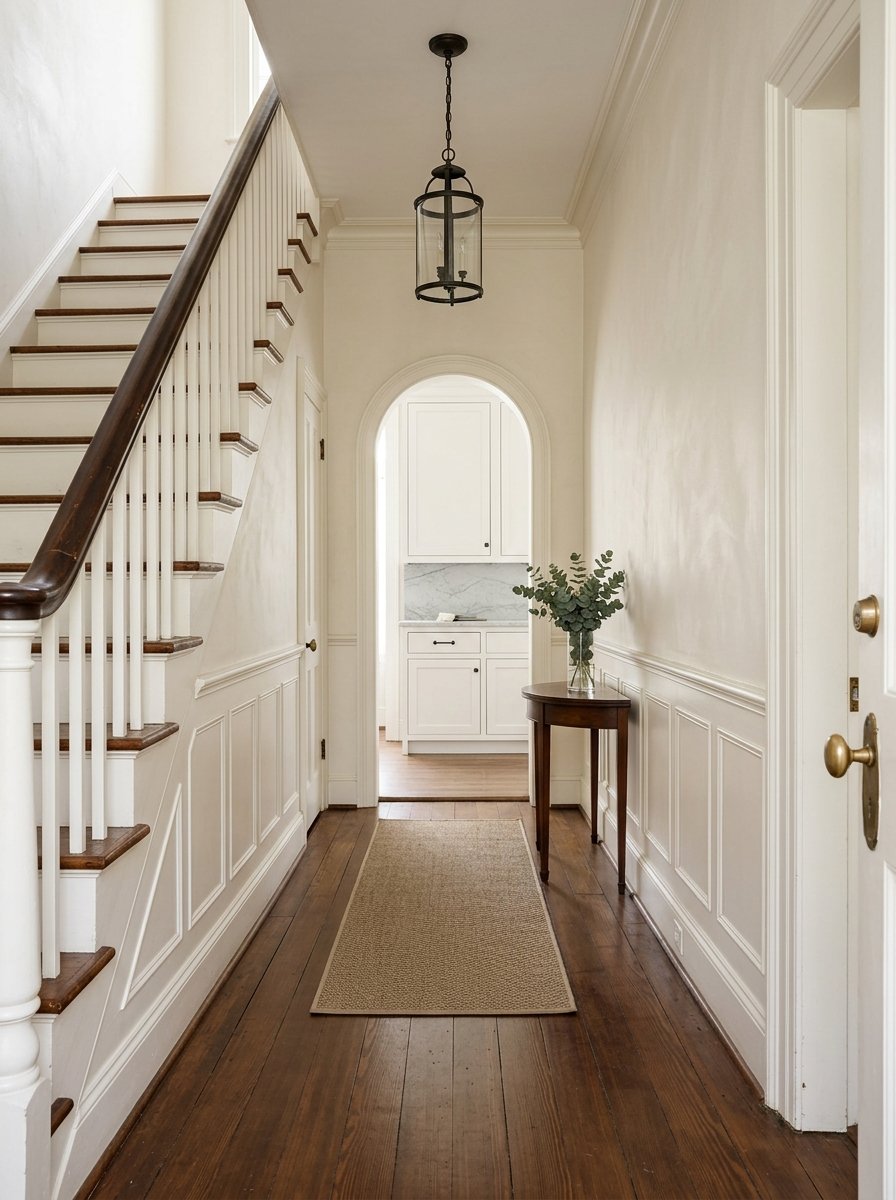
Wondering how to get a historic Alexandria home ready for sale without stripping away the very details that make it special? You are not alone. Selling an older home often means balancing preservation rules, buyer expectations, and smart presentation, all at the same time. The good news is that today’s buyers are usually responding less to age alone and more to condition, clarity, and character. With the right plan, you can highlight your home’s history while helping buyers see how it fits modern life. Let’s dive in.
Start With Alexandria’s Rules
Before you make updates, it helps to know whether your property is in Old and Historic Alexandria, Parker-Gray, or is a designated One Hundred-Year-Old Building. In Alexandria, exterior changes visible from a public right-of-way may require review through the City’s Board of Architectural Review, also called BAR. According to the City’s historic preservation guidance, interior work does not require BAR approval, but visible exterior work often does.
Timing matters here. The City notes that BAR applications generally need to be complete at least 30 days before the hearing date, although some items may be approved administratively by staff. If you are planning any visible exterior improvements before listing, build that review period into your timeline.
Focus on Condition First
If you are deciding where to spend money, start with condition and presentation. In the 2024 NAR Generational Trends report, 26% of buyers said they compromised on the condition of the home, compared with 19% on style and 15% on lot size. That tells you something important: buyers may accept an older layout or historic style, but deferred maintenance can make them hesitate.
This is especially true in Alexandria, where historic homes often come with unique materials, older systems, and visible signs of age. Your goal is not to make the house look brand new. Your goal is to help buyers feel that the home has been cared for, understood, and prepared thoughtfully.
Choose Updates That Respect Character
Historic homes usually show best when improvements feel restrained and compatible. Alexandria’s preservation guidance consistently favors repair over replacement where possible, which often aligns with what buyers appreciate in an older home.
That means modest, preservation-friendly work can have more impact than aggressive remodeling. A fresh coat of paint, repaired trim, improved lighting, and a cleaner exterior often do more for buyer confidence than adding imitation historic details or removing original ones.
Windows Matter More Than You Think
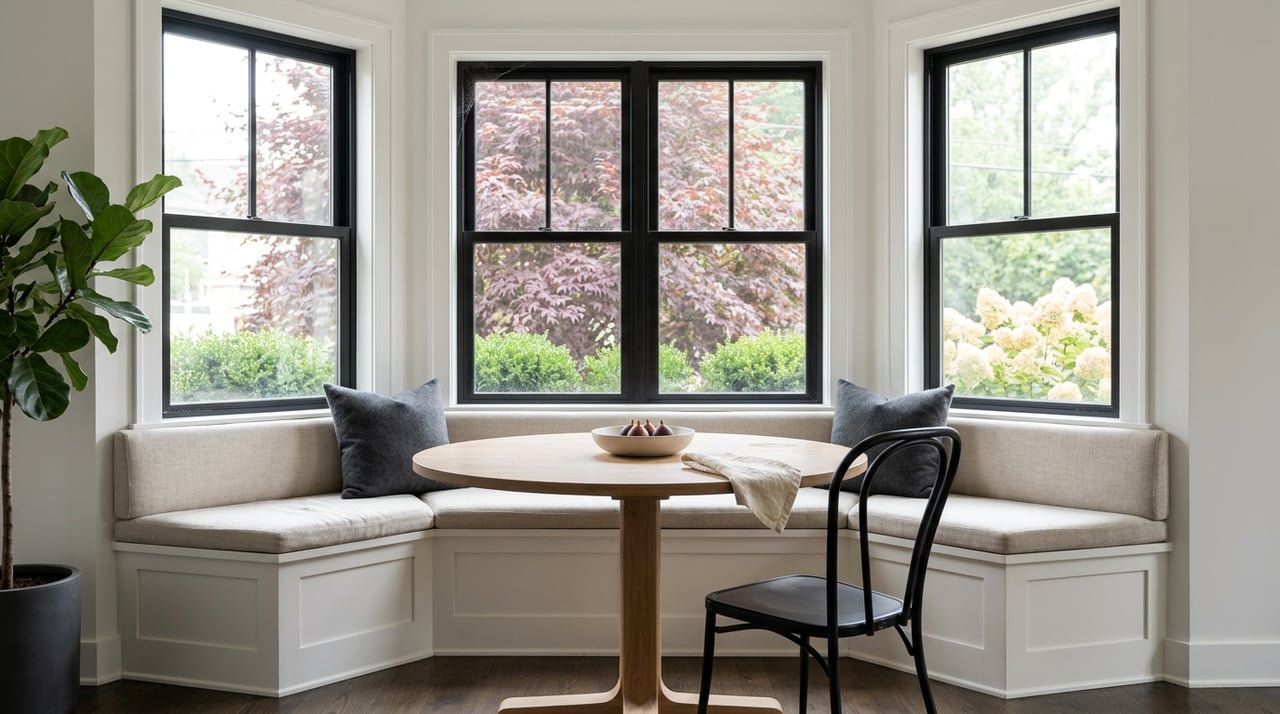
Windows are a major visual feature in many Alexandria homes. The City’s window guidance says frames, sashes, and glass should be repaired rather than replaced when possible. If replacement is needed, the window should fit the original opening, and vinyl windows are not considered appropriate in the historic districts.
The same guidance notes that regular painting and weather stripping can improve longevity and sustainability. It also says clear, non-reflective storm windows may be used without BAR review. For sellers, that means a careful tune-up can improve comfort and presentation without creating a bigger approval process.
Doors Set the Tone
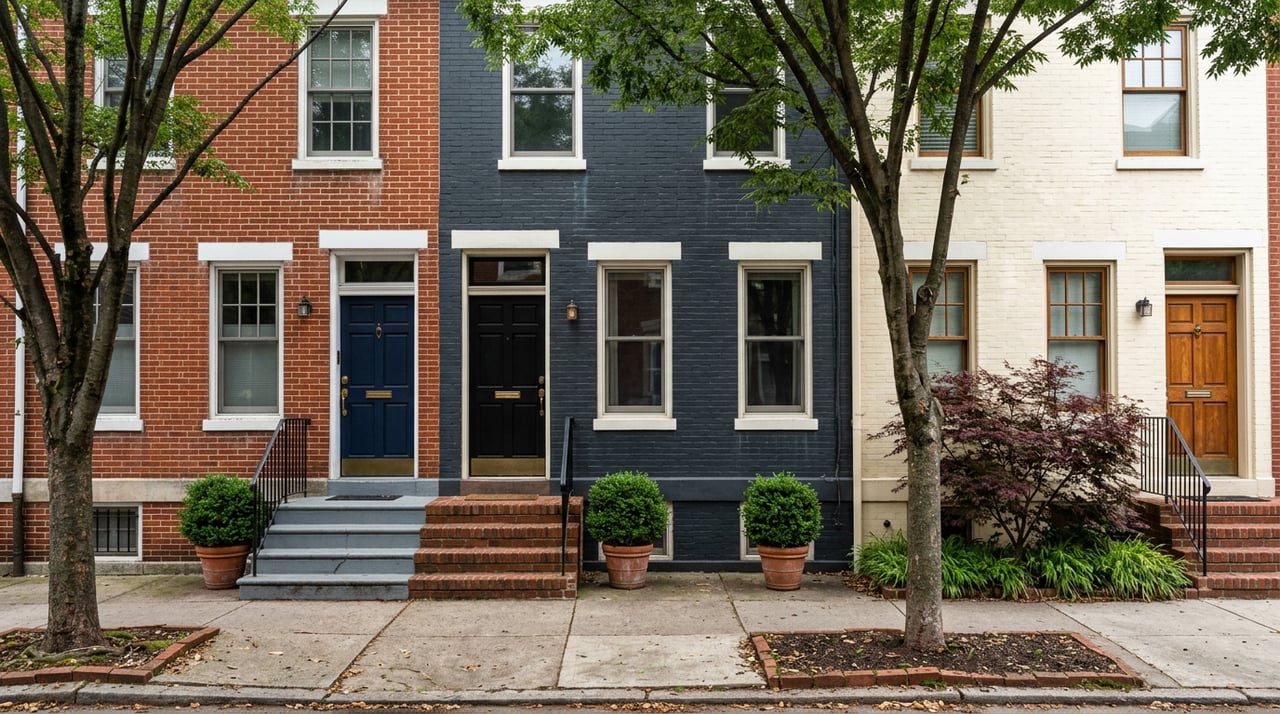
Front doors, entry surrounds, and garage doors shape first impressions fast. The City’s door and garage door guidance says designs should match the architectural style of the structure and that character-defining doorway features should be retained. Historic doors should be repaired or replicated in kind rather than replaced.
If you are thinking about changing a front door that is visible from the street, do not assume it is a simple swap. The City requires a Certificate of Appropriateness for new doors visible from the public right-of-way, and larger removals can trigger additional review.
Roofing and Siding Need Restraint
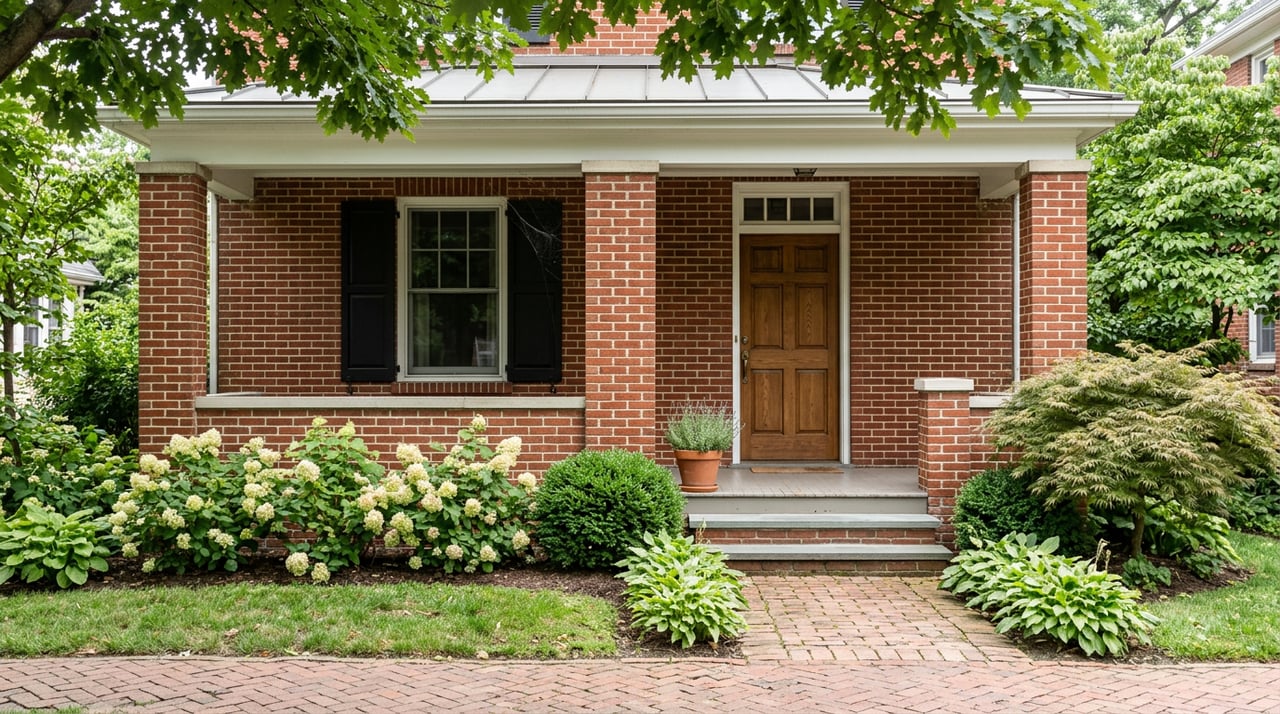
Roofing, siding, and masonry can quickly affect both curb appeal and buyer confidence. Alexandria’s roofing guidance recommends preserving original or existing roofing whenever possible and matching replacement materials to the original or to the building’s style and period. For some later buildings, architectural-grade composition shingles in weathered-wood or slate-blend colors may be acceptable when appropriate.
For siding and masonry, the City’s siding and trim guidance says repairs should match the material and profile of the historic siding, and aluminum and vinyl siding are not appropriate in the historic districts. The same guidance notes that painting previously unpainted masonry requires a Certificate of Appropriateness, and that harsh cleaning methods or hard Portland-cement mortar can damage historic brick.
Prioritize Low-Cost Presentation Wins
You do not always need a major project to improve marketability. In the 2025 NAR staging report, the most common recommendations to sellers were decluttering (91%), cleaning the entire home (88%), and improving curb appeal (77%). Those findings support a practical approach for historic homes: remove distractions, clean thoroughly, and make original features easier to notice.
In many Alexandria properties, that can look like:
- Deep cleaning floors, trim, mantels, and built-ins
- Removing oversized furniture that blocks circulation
- Simplifying wall decor so architectural details stand out
- Touching up paint where appropriate
- Refreshing landscaping and entry areas
- Improving lighting so smaller rooms feel brighter
These updates are usually less disruptive, easier to complete before listing, and more aligned with preservation-friendly presentation.
Stage for Clarity, Not Just Beauty
Historic Alexandria homes often have smaller rooms, more formal layouts, or spaces that modern buyers may not immediately understand. That is where staging becomes especially valuable. According to the NAR staging report, 83% of buyers’ agents said staging made it easier for buyers to envision the home as their future residence, and 29% said staging led to a 1% to 10% increase in the dollar value offered.
The same report found that the living room was the most important room to stage for buyers, followed by the primary bedroom and kitchen. Sellers’ agents most often staged the living room, primary bedroom, dining room, and kitchen. In a historic home, this suggests a simple strategy: make the most important rooms feel welcoming, functional, and easy to interpret.
Make Small Rooms Feel Intentional
If your home has a parlor, formal dining room, library, or compact sitting room, avoid making those spaces feel overly niche. Buyers do better when each room has one clear purpose. Appropriately scaled furniture, open walking paths, and a calm visual palette can help rooms feel useful instead of cramped.
This does not mean making every room generic. It means helping buyers quickly understand the floor plan. A historic dining room can still feel elegant, but it should also look usable for everyday life.
Let Original Details Stay Visible
Historic trim, floors, stair rails, brick walls, and mantels are part of the home’s appeal. Staging should support those features, not hide them. Keep accessories restrained, avoid heavy visual clutter, and use furnishings that fit the scale of the house.
The goal is a clean, bright presentation that helps buyers notice craftsmanship and imagine living there now. In many cases, the best strategy is not to modernize away the age of the home, but to make its character easier to read.
Gather Documentation Before Listing
A well-prepared seller packet can be especially helpful for a historic property. Buyers often want to know what has been updated, whether work was permitted, and how the home has changed over time. Alexandria offers unusually strong public resources for this kind of research.
The City’s historic research resources include access to construction permits, architectural plans, site plans, BAR minutes, deeds, photographs, and local history materials. The City also provides public records and permit search information, along with mapping tools that can help identify historic areas, One Hundred-Year-Old Buildings, and parcel details.
If your home is in the Old and Historic District, Alexandria’s digital architectural survey may offer photographs, architectural descriptions, and historical context. That kind of information can help you tell a more complete story about the property.
What to Assemble Before You Go Live
Try to gather the following before your home hits the market:
- Permit history
- Contractor invoices and receipts
- Inspection reports
- Before-and-after renovation photos
- BAR approvals, if applicable
- Manuals or warranties for newer systems
- Any historic rehabilitation documentation
This material can help answer buyer questions quickly and reduce uncertainty during the transaction.
Use Renovation Records to Build Trust
If your home has undergone a qualified historic rehabilitation, documentation becomes even more valuable. The Virginia Department of Historic Resources explains that tax credits for rehabilitation are available only for certified historic structures and that qualifying work must meet the Secretary of the Interior’s Standards for Rehabilitation. The agency notes that some projects may qualify for both the 20% federal credit and 25% state credit. You can review that program through the Virginia Department of Historic Resources.
For sellers, the bigger takeaway is not the credit itself. It is the paper trail. Before-and-after photos, approvals, invoices, and final certifications can help show buyers that work was completed thoughtfully and in line with preservation standards.
Answer Buyer Questions Early
Historic-home buyers often ask a few of the same questions right away. Is the home in a locally regulated historic district? Were exterior changes approved? What updates were made, and when? Are original features still in place, or were they replaced?
You can make your listing stronger by anticipating those questions in advance. When buyers can see that the home has been well maintained, carefully improved, and clearly documented, they are more likely to focus on the property’s charm and livability instead of worrying about unknowns.
A Smart Listing Plan Matters
Preparing a historic Alexandria home for today’s buyers is rarely about doing the most. It is about doing the right work in the right order. Start with local preservation rules, address visible maintenance issues, stage the key rooms with intention, and organize your records so buyers can feel informed and confident.
With the right strategy, your home can appeal to buyers who want both character and ease. If you are thinking about selling and want a calm, well-managed plan for pre-sale updates, staging, and marketing, Brittanie DeChino can help you prepare your Alexandria home for the market with clarity and care.
FAQs
Do historic homes in Alexandria always need BAR approval before listing?
- No. According to the City of Alexandria, interior work does not require BAR approval, but exterior alterations visible from a public right-of-way may require review if the property is in Old and Historic Alexandria, Parker-Gray, or is a designated One Hundred-Year-Old Building.
What updates help an Alexandria historic home appeal to buyers most?
- Buyers often respond strongly to condition and presentation, so cleaning, decluttering, curb appeal improvements, and preservation-friendly repairs typically help more than overly aggressive cosmetic changes.
Should you replace old windows in a historic Alexandria home before selling?
- Not always. The City’s guidance favors repairing existing windows when possible, and if replacement is needed, the new window should fit the original opening and meet historic district standards.
What rooms should you stage in a historic Alexandria house?
- NAR data points to the living room, primary bedroom, and kitchen as top priorities, with dining rooms also commonly staged to help buyers understand more formal layouts.
What documents should you gather before listing a historic Alexandria home?
- It helps to collect permit records, invoices, inspection results, renovation photos, BAR approvals if applicable, and any other documentation that explains completed work and the home’s history.