Trying to decide between condo life in Arlington or Alexandria? You are not alone. Both offer great access to DC, strong transit, and a range of buildings, but they feel different on the ground and on your monthly budget. This guide gives you a simple way to compare lifestyle, commute, buildings, and long‑term value so you can choose with confidence. Let’s dive in.
Arlington vs Alexandria: Quick feel
Geography at a glance
Arlington sits just across the river from DC with dense, urban corridors like Rosslyn–Courthouse–Clarendon–Ballston and Crystal City–Pentagon City. Many condos cluster near these corridors.
Alexandria lies south along the river. Old Town is its historic, waterfront heart, while Potomac Yard and Eisenhower East bring newer, mixed‑use development. West Alexandria has a more suburban feel with mid‑rise options.
Lifestyle and vibe
In Arlington, you find modern, amenity‑rich towers, active nightlife spots, and strong bike and pedestrian networks along the main corridors. If you want a high‑rise lifestyle close to Metro and restaurants, Arlington often fits.
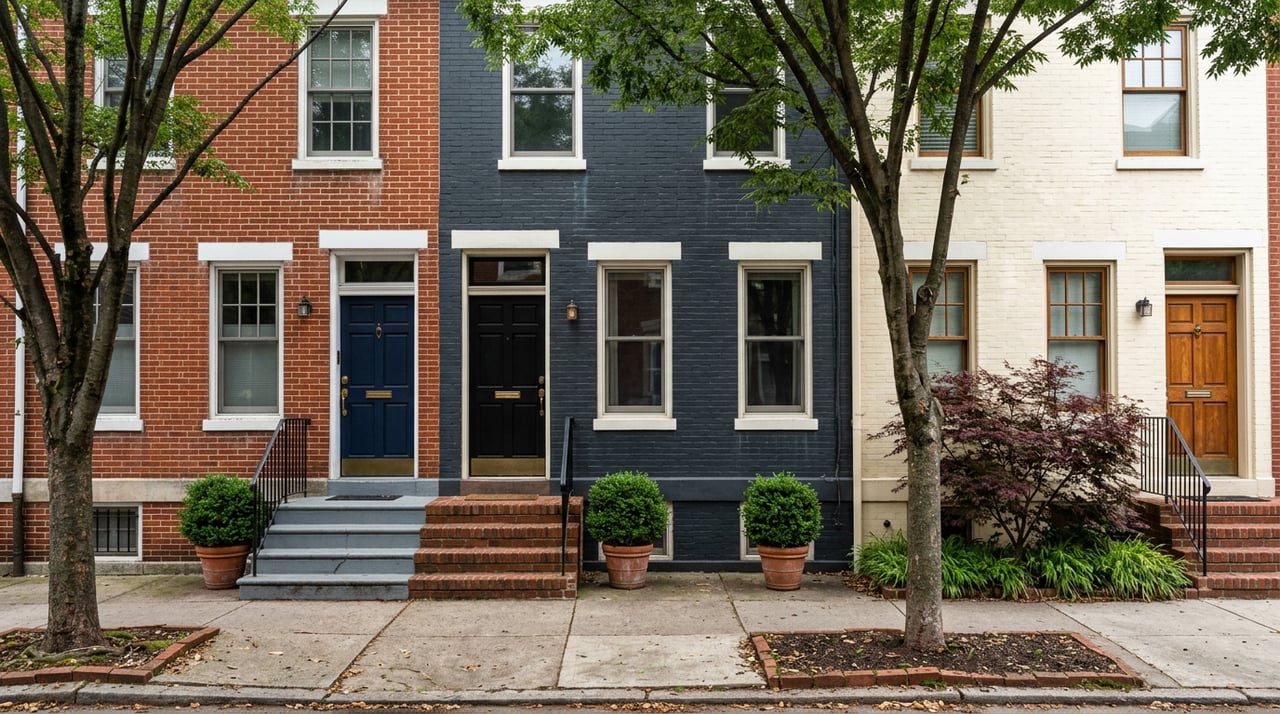
In Alexandria, Old Town offers a low‑rise, historic streetscape, boutiques, and waterfront parks. Outside Old Town, you will see quieter blocks and newer mid‑rise communities in places like Potomac Yard. If you want historic charm and a calmer pace with transit access, Alexandria is a strong match.
Buildings and HOA basics
What you will see
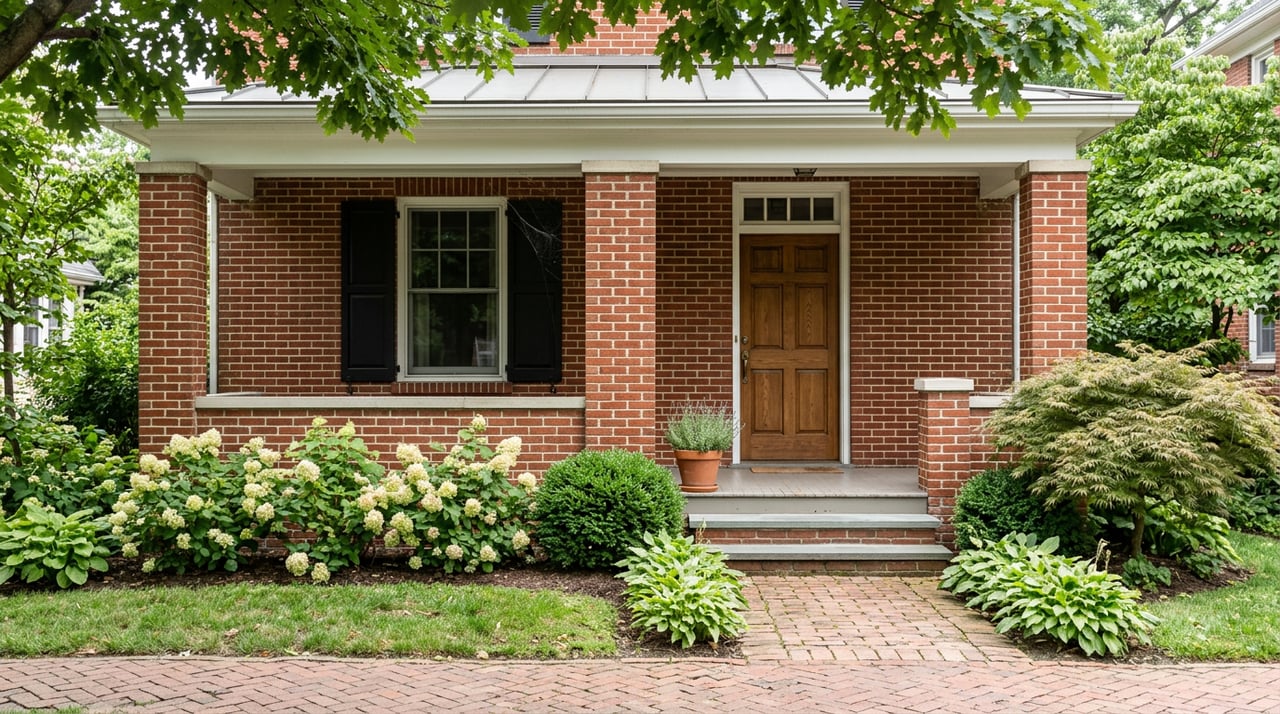
Arlington’s condo stock includes many mid‑ to high‑rise buildings near Metro, plus some garden‑style and townhouse‑style condo conversions on quieter streets.
Alexandria offers more low‑rise historic buildings and boutique conversions in Old Town and Del Ray, and newer mid‑rise options in Potomac Yard and Eisenhower East with modern amenities.
Amenities, fees, and reserves
Older historic buildings often trade space and character for older systems and smaller reserves. Newer towers and mixed‑use buildings tend to have gyms, rooftops, and concierges, which drive higher monthly HOA dues. Fees usually cover exterior maintenance, common utilities, trash, master insurance, snow removal, and reserves. Some buildings include water or heat. Always compare what is covered line by line.
Documents to review
In Virginia, condominium ownership follows the Virginia Condominium Act. You should request and review the resale certificate/disclosure packet, current budget, reserve study, recent board minutes, bylaws and rules, and any litigation disclosures. Ask about special assessments and planned capital projects.
Financing and insurance checkpoints
Lenders review condo eligibility, including owner‑occupancy levels, investor ratios, any litigation, and HOA delinquency rates. If you plan to use FHA or VA financing, confirm whether the association is approved. For insurance, plan on an HO‑6 policy for your unit, and confirm the association’s master policy coverage and deductibles.
Commute and getting around
Metrorail access
Arlington has one of the highest densities of Metrorail stations per square mile in the region, especially along Rosslyn–Ballston and in Crystal City–Pentagon City. That puts many condos within a short walk of frequent service to DC. Check the WMATA system map to confirm station locations relative to specific buildings.
Alexandria offers Yellow and Blue Line access around Old Town and Eisenhower East, plus the Potomac Yard station for newer developments. Local bus networks, including Alexandria DASH and Arlington ART, fill first‑ and last‑mile gaps.
Commuter rail, biking, and walking
If your commute goes beyond Metro, parts of Alexandria connect to regional commuter rail via Virginia Railway Express service. Both jurisdictions support biking and micro‑mobility, and the Mount Vernon Trail provides scenic access along the river. Walkability is strong in Old Town and in Arlington’s core corridors.
Driving and parking
Arlington connects to I‑66 and US‑50, with Key Bridge access into DC. Parking can be tight in the core corridors, and some areas use permit programs.
Alexandria connects to I‑395, Route 1, and the GW Parkway. Old Town has tight street parking and many public garages, while newer developments and the west end often provide more off‑street options. Your experience will vary by neighborhood and building, so verify garage availability, visitor parking rules, and any permit requirements.
Price positioning and resale
Where premiums show up
In Arlington, condos close to Rosslyn–Courthouse–Clarendon–Ballston and National Landing often command a premium due to walkability, amenities, and proximity to major employers. New luxury towers can push per‑square‑foot pricing higher than older conversions.
In Alexandria, the Old Town waterfront and Potomac Yard can carry strong premiums. Many non‑waterfront areas price competitively with Arlington, and new buildings in Potomac Yard and Eisenhower East often target buyers weighing both cities.
Monthly cost comparison
When you compare two condos, look past list price and stack up total monthly cost:
- Mortgage payment at your rate and down payment
- HOA dues and what they cover
- Property taxes by jurisdiction
- HO‑6 insurance and any building‑specific deductibles
- Utilities, parking fees, and storage costs
Resale and liquidity factors
Proximity to Metro, walkability, and nearby employer hubs can improve resale demand. National Landing and other Northern Virginia employment clusters support steady interest. Unique historic units in Old Town can be very desirable, but they appeal to a more specific buyer pool. New‑construction premiums may soften on resale if competing projects deliver nearby, so watch the pipeline in National Landing, Potomac Yard, and Rosslyn.
A simple decision framework
Choose Arlington if you want:
- A modern, amenity‑forward building near frequent Metro service
- Short, simple commutes to DC and Northern Virginia job centers
- Nightlife and dining clusters within a quick walk
Choose Alexandria if you want:
- Historic charm, waterfront parks, and a relaxed streetscape
- Low‑rise or boutique buildings, plus newer mid‑rise options in Potomac Yard
- Strong walkability to King Street, plus bus and rail choices
Buyer due diligence checklist
- Walk the neighborhood at the time you would commute and do a sample trip.
- Time your walk to the nearest Metro or bus stop and check train frequency on the WMATA system map.
- Review the full condo packet: budget, reserve study, minutes, bylaws, rules, and any special assessments.
- Confirm HOA owner‑occupancy and investor ratios if your financing requires it.
- Inspect building systems and ask for recent capital project history.
- Verify parking, storage, pet policies, rental rules, and any move‑in fees.
- If you value historic protections and context, explore Alexandria Historic Preservation resources to understand district guidelines.
- If commuter rail helps your routine, check Virginia Railway Express service for stations and schedules.
- For local bus links, review Arlington ART and Alexandria DASH.
Helpful local resources
- WMATA system map for rail lines and station locations
- Arlington ART and Alexandria DASH for bus routes
- Virginia Railway Express service for regional commuter rail
- Virginia Condominium Act for condo owner rights and disclosures
- Alexandria Historic Preservation for historic district context
Ready to narrow your search to the right block and building? Let’s create a side‑by‑side plan that fits your commute, lifestyle, and budget, then uncover the best on‑ and off‑market options. Reach out to Brittanie DeChino to start your personalized Arlington and Alexandria condo strategy.
FAQs
What are the biggest lifestyle differences between Arlington and Alexandria condos?
- Arlington skews urban and amenity‑rich near Metro corridors, while Alexandria, especially Old Town, offers a historic, low‑rise setting with waterfront access and newer mid‑rise hubs like Potomac Yard.
How do HOA fees compare between older and newer buildings?
- Older, smaller buildings may have lower monthly dues but a higher chance of special assessments, while newer towers usually have higher dues to support amenities like gyms, rooftops, and concierges.
What should I review in a Virginia condo disclosure packet?
- Request the resale certificate, current budget, reserve study, bylaws and rules, recent meeting minutes, and any litigation or special assessment notices under the Virginia Condominium Act.
Which areas offer the easiest Metro access for condo owners?
- Arlington’s Rosslyn–Courthouse–Clarendon–Ballston and Crystal City–Pentagon City corridors have dense station coverage, while Alexandria’s Old Town, Potomac Yard, and Eisenhower East are strong nodes on the Yellow and Blue Lines.
How do parking options differ by neighborhood?
- Core Arlington corridors and Old Town Alexandria often have tighter parking and permit systems, while newer developments and west‑side neighborhoods typically provide more garage or off‑street options.