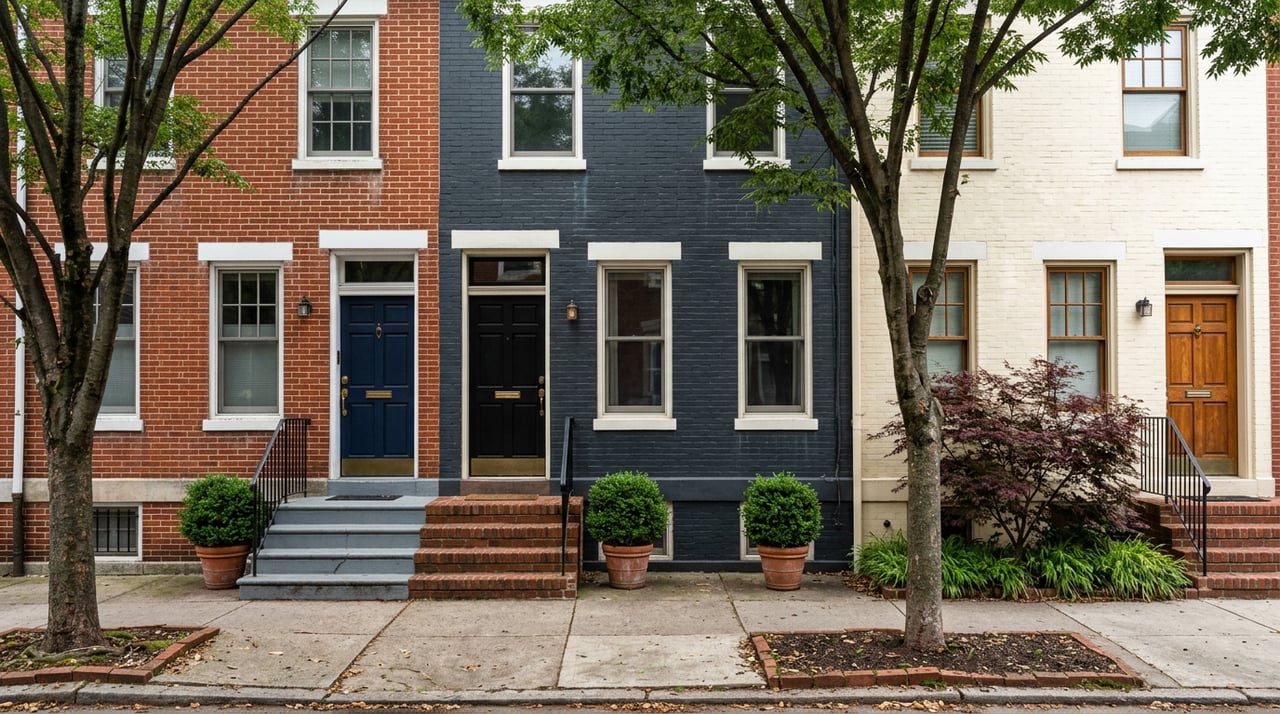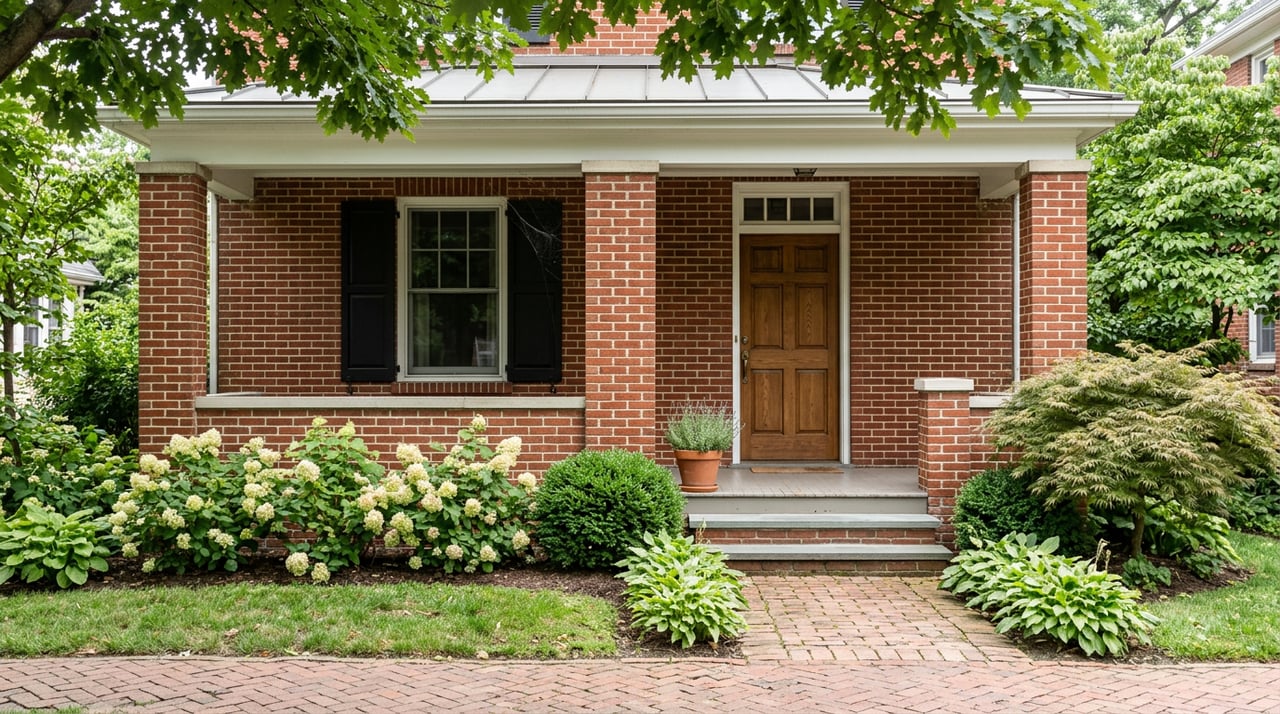
Thinking about renovating before you sell can feel like a smart move, but in Fairfax County, not every upgrade will pay you back. If you are getting ready to list, you want to improve the right things without overspending or getting stuck in permit delays. This guide will help you focus on the updates that tend to matter most, avoid common missteps, and build a pre-sale plan around your neighborhood, timeline, and likely return. Let’s dive in.
Why renovation strategy matters in Fairfax County
Fairfax County is still a strong market, but that does not mean every home sells itself. Redfin reported a median sale price of $813,000 in May 2026, with homes averaging 25 days on market and a 101.4% sale-to-list ratio. NVAR’s broader Northern Virginia data also showed an $815,000 median sold price and 18 average days on market in April 2026.
That kind of market can reward smart preparation, especially when buyers are comparing polished listings side by side. At the same time, Fairfax County has wide price variation within the county, from around $549,000 in Tysons to about $2.8 million in McLean according to Realtor.com. That is why renovation decisions should be based on nearby comparable sales, not county-wide averages alone.
Start with neighborhood comps
Before you call contractors, look at what buyers are actually seeing in your part of Fairfax County. A home in one submarket may need only cosmetic work to compete, while a home in another area may benefit from more visible updates. The goal is not to create the most improved house on the block. It is to make your home feel well-prepared and appropriately positioned for your price point.
This is where a comp-based walkthrough can save you money. If nearby listings already show updated kitchens, refreshed baths, and strong curb appeal, your home may need similar presentation to stay competitive. If the surrounding homes are simpler, a major addition or luxury overhaul may not make financial sense.
Prioritize repairs before upgrades
A practical pre-sale plan starts with anything that could raise concerns during a buyer walkthrough or home inspection. If there are issues tied to deferred maintenance, layout changes, or older work that may have required permits, those items usually deserve attention first. Buyers often forgive dated finishes more easily than they forgive uncertainty.
A helpful order of operations is:
- Handle permit-sensitive or inspection-related items first
- Improve curb appeal
- Refresh the most visible kitchen or bath features
- Stop before major additions unless comps clearly support them
This order lines up with Fairfax County permit rules and the resale patterns shown in regional remodeling data. It also helps you spend where buyers tend to notice value fastest.
Focus on curb appeal first
If you want the strongest short-horizon resale potential, exterior improvements are often the best place to begin. In the 2024 Cost vs Value report for the Middle Atlantic region, garage door replacement recouped 203.6%, steel entry door replacement recouped 158.6%, and manufactured stone veneer also recouped 158.6%.
These are powerful numbers because they reflect something buyers respond to immediately. The front of your home sets expectations before a showing even begins. A clean entry, updated front door, tidy landscaping, and thoughtful exterior accents can help your home feel cared for and market-ready.
Curb appeal projects worth considering
- Garage door replacement
- Steel entry door replacement
- Exterior touch-ups and accents
- Landscaping cleanup
- Outdoor lighting improvements
You do not need a dramatic transformation to make an impact. In many cases, simple visible improvements create the polished first impression that helps buyers engage with the rest of the house.
Choose interior updates carefully
Inside the home, smaller refreshes often make more sense than large renovations. The same Middle Atlantic report found that a minor kitchen remodel recouped 94.1%, a wood deck addition recouped 78.6%, and a midrange bathroom remodel recouped 70%.
Those numbers suggest that buyers value functional, attractive spaces, but they do not always reward a seller for spending heavily. In contrast, window replacement showed lower recoup rates at 57% for wood and 62.9% for vinyl. That does not mean windows never matter, but it does mean they are less likely to be your strongest resale move if the main goal is short-term return.
Interior projects that often make sense
- Minor kitchen remodels
- Bathroom refreshes
- Cosmetic updates in highly visible spaces
- Deck improvements when outdoor living is a selling feature
A minor kitchen remodel does not have to mean a full gut job. In many cases, the most effective work is targeted: refreshed finishes, improved lighting, updated hardware, and a cleaner, brighter presentation.
Be cautious with major additions
Some projects are better for long-term enjoyment than for a near-term sale. In the Middle Atlantic data, a bathroom addition recouped 31.2% and a primary suite addition recouped 24.7%. Those are much lower recovery rates than the smaller, more visible projects that tend to help listings perform.
If you are selling soon, large additions can create more cost, more disruption, and more timeline risk than they are worth. Unless your neighborhood comps clearly support that level of investment, it is usually wiser to improve what you already have rather than expand the home.
Understand Fairfax County permit rules
Permits can affect both your timeline and your peace of mind. Fairfax County says permits are required for kitchen renovations, finished basements, bathroom remodels, wall removals or additions, new window or door openings, decks, porches, additions, detached structures, pools, retaining walls, and roof repairs. Separate electrical, mechanical, and plumbing trade permits may also be required.
On the other hand, a permit is not required for direct replacement of existing windows and doors, like-for-like replacement of plumbing, electrical, or mechanical fixtures when the location does not change, re-siding with similar material, or roof-shingle replacement. That distinction matters when you are trying to decide whether a project is worth doing before listing.
Why permits matter before a sale
Virginia follows a buyer-beware disclosure framework. According to the Virginia Department of Professional and Occupational Regulation, sellers are not promising the condition of the property or improvements, and disclosures must be delivered before ratification. If delivery is late, a buyer may have a limited right to terminate.
That is one reason documented, permitted work is often easier to explain during the sale process than unrecorded improvements. Clean paperwork does not replace a smart pricing strategy, but it can reduce friction when buyers have questions.
Build your renovation timeline backward
If you are aiming for a specific list date, renovation timing should be part of your pricing and marketing plan from the start. Fairfax County’s Fast Track program says eligible non-complex residential projects can move from a 5-business-day review timeline to a 1-business-day review timeline. Examples include decks, finished basements, minor interior alterations, one-story additions up to 500 square feet, garages up to 500 square feet, sheds up to 500 square feet, pools, and solar panels.
That can be helpful, but it does not mean every project will move quickly. Some residential properties, including certain condos, are treated as commercial for building-code purposes and use commercial permits instead. If your home falls into that category, your planning timeline may look different.
A simple pre-sale timeline approach
- Walk the home and identify likely buyer objections
- Compare your home to nearby active, pending, and recent sales
- Separate repairs from optional upgrades
- Confirm permit requirements before work begins
- Get contractor bids only for the projects that support your pricing strategy
- Leave enough time for staging, photography, and listing prep
This kind of structured process helps you avoid rushing into projects that do not meaningfully improve your sale position.
Know when to stop spending
One of the biggest pre-sale renovation mistakes is continuing to invest after the home is already competitive for its submarket. In Fairfax County, where pricing varies sharply by area, the most defensible renovation spend is usually the work that removes buyer objections and keeps the home aligned with nearby sales. It is usually not the work that pushes the property far beyond neighborhood norms.
In other words, you do not need to win the renovation contest. You need to make it easy for the right buyer to say yes. Once your home presents well against local comps, additional spending may add stress more than value.
A smart pre-sale plan is local and selective
The best renovation strategy is rarely the biggest one. In Fairfax County, thoughtful sellers often do best by combining local comp analysis, visible presentation upgrades, and careful attention to permit rules and timing. That approach helps you protect your budget while improving how your home shows and how confidently buyers respond.
If you are preparing to sell, a calm, data-informed plan can make the process much more manageable. For tailored guidance on pre-sale renovation planning, staging, and listing strategy in Fairfax County, connect with Brittanie DeChino.
FAQs
What pre-sale renovations add the most value for a Fairfax County home?
- In the Middle Atlantic data, small exterior projects showed the strongest resale results, including garage door replacement, steel entry door replacement, and manufactured stone veneer.
Should you renovate a kitchen before selling a Fairfax County home?
- A minor kitchen remodel often makes more sense than a major overhaul, with the 2024 Middle Atlantic report showing a 94.1% recoup for a minor kitchen remodel.
Do bathroom additions make sense before selling in Fairfax County?
- Usually not for a short-term sale, since the Middle Atlantic report showed a 31.2% recoup for a bathroom addition, which is much lower than smaller update projects.
Do you need permits for pre-sale renovations in Fairfax County?
- Fairfax County requires permits for many projects, including kitchen renovations, bathroom remodels, wall changes, decks, additions, and roof repairs, while some like-for-like replacements may not require permits.
How should you budget pre-sale improvements for a Fairfax County listing?
- A practical approach is to prioritize repairs and visible updates that help your home compete with nearby comps, then stop before spending beyond what your neighborhood supports.