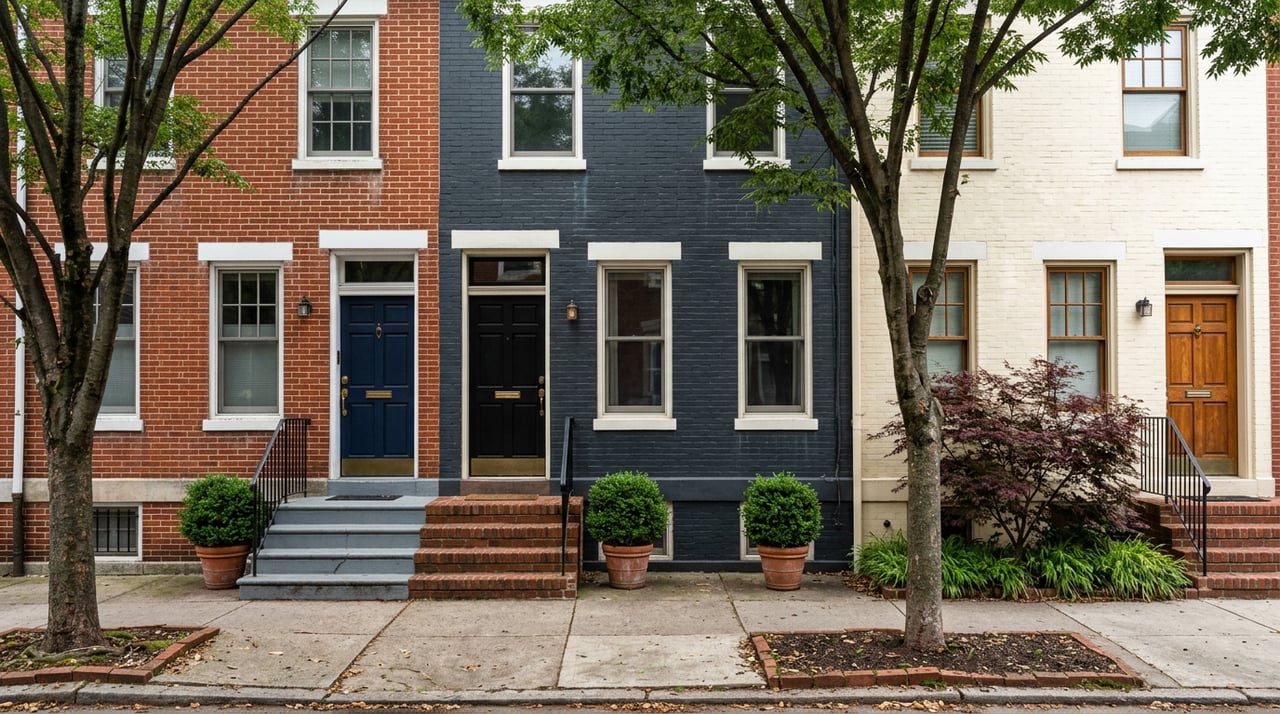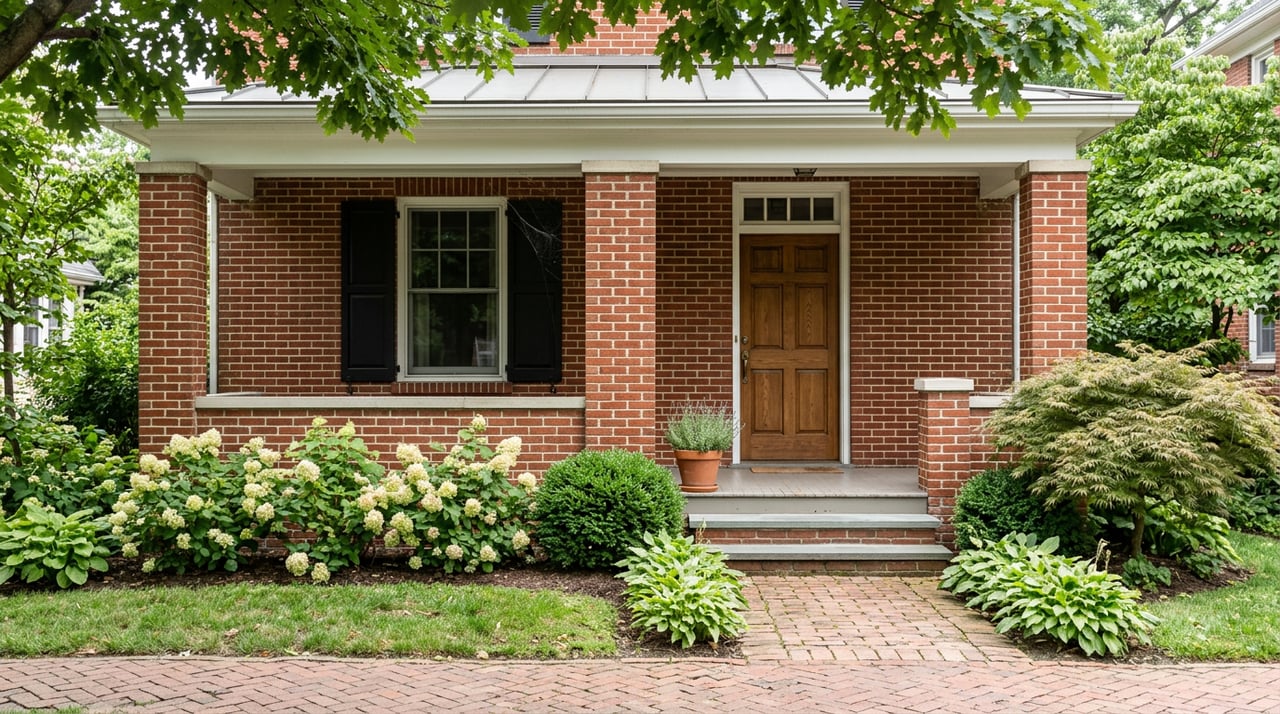
Buying your first home in Montgomery County can feel like a big jump, especially when prices, property types, and commute needs all pull you in different directions. If you are trying to balance budget, maintenance, and location, you are not alone. The good news is that first-time buyers in Montgomery County do have real options, even in a competitive market. This guide will help you compare condos, townhomes, and smaller detached homes so you can focus your search with more confidence. Let’s dive in.
What First-Time Buyers Face in Montgomery County
Montgomery County offers a wide mix of housing, but it is not a low-cost market. County data from late 2025 showed an all-home median sold price of $630,000, with active listings remaining relatively limited at 1,180. That means your first step is often deciding which property type gives you the best mix of affordability, lifestyle, and long-term fit.
The county’s housing stock helps explain why that choice matters so much. In the 2024 American Community Survey, 46% of housing units were detached homes, 18% were attached homes, and 21% were in larger multifamily buildings with 20 or more units. Since 2010, most new housing built in the county has been multifamily, which is one reason condos are such an important part of the entry-level market.
Why Condos Matter for First Homes
For many buyers, a condo is the most realistic path into homeownership in Montgomery County. County housing data showed that 70% of condo and co-op sales were under $400,000 in 2024. Compared with townhomes and detached homes, that makes condos one of the county’s most accessible ownership options.
Condos can also simplify day-to-day upkeep. Under Maryland law, the council of unit owners handles maintenance, repair, and replacement of common elements, while you are responsible for your own unit. If you want less exterior maintenance and a more lock-and-leave lifestyle, that can be a meaningful advantage.
Condo Costs to Watch
The tradeoff is that your monthly payment is not just about the mortgage. Condo fees and HOA dues are usually separate from the mortgage payment and can range from a few hundred dollars to more than $1,000 a month. Before you get attached to a listing, it helps to look at the full monthly carrying cost, not just the purchase price.
Insurance is another detail first-time buyers sometimes miss. Montgomery County notes that a condo master insurance policy does not cover your personal property or improvements made inside your unit after construction. That is why unit-owner coverage matters and should be part of your planning.
Where Condos Often Make Sense
Condos tend to fit best in denser, transit-oriented parts of Montgomery County. Silver Spring and Bethesda have added thousands of multifamily units since 2010, and county rail access is strongest around places like Bethesda, North Bethesda, Rockville, Silver Spring, and Shady Grove. If an easier commute or access to rail and bus service is high on your list, condos may deserve an early look.
The county also has a stronger-than-average transit culture. About 10% of employed residents use public transportation to commute, compared with 5% statewide and 4% nationally. With Red Line stations, MARC access, Ride On service, and the Purple Line connection between Bethesda and Silver Spring, location can be just as important as square footage.
Why Townhomes Are a Popular Middle Ground
If you want more room than a condo but are not ready for the cost and upkeep of a detached house, a townhome can be a smart middle-ground choice. County presentation data put the 2024 median townhome sale price at $499,998. That is a step up from many condos, but still well below the county’s detached-home median.
Townhomes often appeal to first-time buyers who want multiple levels, more privacy, and a little more separation from neighbors. Depending on the community, you may also get outdoor space, a garage, or extra storage. For buyers thinking a few years ahead, that added flexibility can be worth the higher price point.
Townhome Fees and Community Rules
Many townhomes are part of homeowners associations, so it is important to understand what those dues support. Maryland law says HOA budgets must cover things like maintenance, utilities, reserves, and capital expenses. In Montgomery County, common-ownership communities must register annually, and the county also offers a complaint and dispute process.
Before making an offer, review the resale package, the association budget, reserve funding, insurance rules, and any pending special assessments or claims. Those documents can tell you a lot about the financial health of the community and the rules that may affect daily life. They are not just paperwork. They are part of the true cost of ownership.
Townhome Location Advantages
Townhomes can work well for both drivers and transit users. Montgomery County’s MARC Brunswick Line stops include Silver Spring, Rockville, Gaithersburg, and Germantown, and the county has 12 Red Line rail stations. That gives many townhome buyers a wider map to work with than condo buyers who may prioritize being very close to rail.
The challenge is that attached homes remain competitive. County market data showed attached-home sales dipped slightly year over year in late 2025 even as active listings rose, which suggests demand is still steady. If you find a townhome that checks your boxes on price, condition, and location, being prepared matters.
When a Smaller Detached Home Makes Sense
Detached homes still make up a large share of Montgomery County’s housing stock, but they are usually the hardest option for a first-time buyer to enter. In county 2024 sales data, the median sale price for single-family detached homes was $800,806. County reporting from Q4 2025 also showed an average detached sold price above $1 million.
That does not mean a smaller detached home is impossible. It does mean you will likely need to be flexible on location, size, updates, or commute. Buyers who strongly value privacy, a yard, or more control over the property may still decide that tradeoff is worth it.
Detached Home Responsibilities
With a detached home, more of the maintenance burden falls on you. Montgomery County’s housing code outlines maintenance standards for homes, yards, and vacant properties, and code-enforcement staff help educate residents on those responsibilities. In practical terms, you should budget for repairs and ongoing upkeep, even if the monthly payment looks manageable at first glance.
If the home is also inside an HOA, community rules and dues still apply. That is why reviewing the declaration, budget, and resale materials matters here too. A detached house may give you more independence, but it does not always mean fewer obligations.
Where Detached Searches Often Expand
Detached-home growth has been stronger in upcounty areas, with Clarksburg standing out as a key example. Buyers looking for a smaller detached home may need to widen their search beyond the most transit-oriented submarkets. That often means weighing home style and lot size against commute time.
County commuting patterns support that tradeoff. Montgomery Planning found that 65% of employed residents commute by car, 21% work from home, and 10% use public transportation. If you are open to driving more often, you may unlock more detached-home possibilities.
How to Choose the Right First-Home Option
If you are deciding between condos, townhomes, and detached homes, start with your monthly comfort zone. Purchase price matters, but so do condo fees, HOA dues, insurance needs, and likely maintenance costs. Looking at the full monthly picture will usually narrow your options faster than browsing listings alone.
Next, think carefully about commute flexibility. If you want strong rail access, start with Red Line, Purple Line, and MARC-connected areas. If you are comfortable driving, your search can widen into more suburban and upcounty parts of Montgomery County.
Finally, think about how you want to live, not just what you want to buy. A condo may give you a simpler routine and a lower entry point. A townhome may offer the balance of space and cost you want. A smaller detached home may fit best if privacy and outdoor space are your top priorities.
First-Time Buyer Help to Explore
Before ruling out a property type, it is worth checking whether you qualify for local affordability programs. Montgomery County’s MPDU program offers affordably priced homes to first-time buyers with incomes up to 70% of Washington Metro AMI. County-affiliated assistance through HOC and Maryland programs may also help eligible buyers with down payments or closing costs.
Programs do not make every listing affordable, but they can expand your choices. If you are buying your first home, knowing what support may be available can make your search more strategic from the start.
Buying your first home in Montgomery County is rarely about finding a perfect answer. It is about finding the option that best fits your budget, routine, and future plans. If you want calm, clear guidance as you compare neighborhoods, property types, and next steps, Brittanie DeChino can help you move forward with confidence.
FAQs
What is the most affordable first-home option in Montgomery County?
- Condos and co-ops are often the most affordable ownership option in Montgomery County, with county data showing that 70% of condo and co-op sales were under $400,000 in 2024.
What should first-time buyers in Montgomery County review before buying a condo?
- You should review the resale package, monthly dues, association budget, reserves, insurance rules, and any pending claims or special assessments before making an offer.
How much do townhomes cost in Montgomery County?
- County presentation data showed a 2024 median townhome sale price of $499,998, though pricing varies by location, condition, and community features.
Are detached homes realistic for first-time buyers in Montgomery County?
- They can be, but detached homes are usually the most expensive conventional option in the county, so buyers often need flexibility on size, updates, location, or commute.
Which Montgomery County areas are better for transit-oriented first-home searches?
- Buyers who want stronger transit access often start near stations and corridors connected to Bethesda, North Bethesda, Rockville, Silver Spring, Shady Grove, and other Red Line, MARC, or Purple Line areas.